
Brain Test 3: Tricky Quests
Unico StudioTrivia
4.72.09K Reviews
- Version
- 1.81.0
- Installs
- 10.00M
- Age Rating
- Everyone
Screenshots
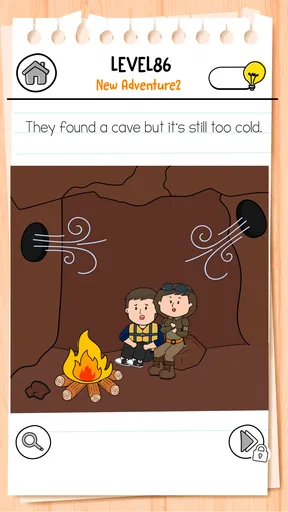

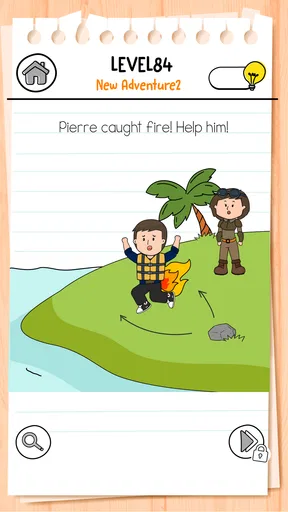
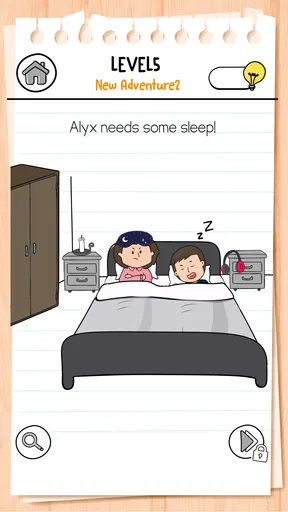
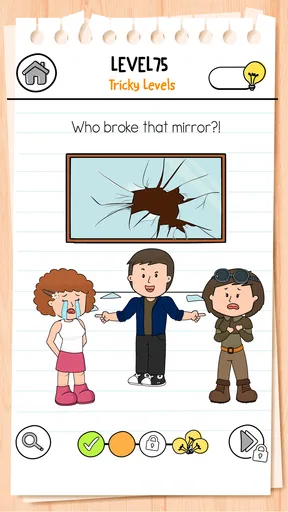
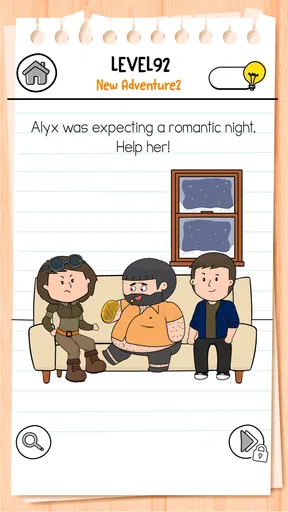
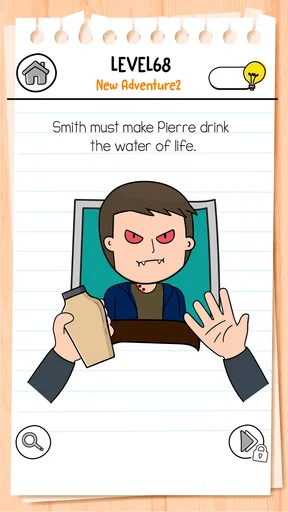
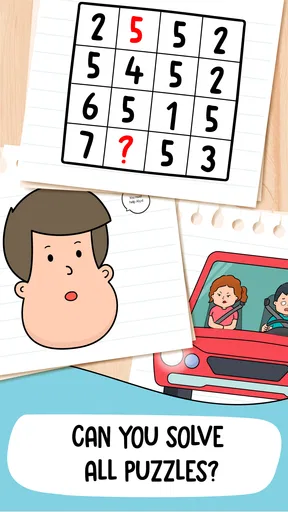
Our Review of Brain Test 3: Tricky Quests
 Analysis by Appyee
My first impression of Brain Test 3: Tricky Quests is that it wants me to be playful, not methodical. A puzzle may look as if it has one obvious answer, then nudge me to question what I’m assuming. That little gap between “I know what to do” and “why isn’t this working?” is the game’s main source of fun—and, now and then, its main source of impatience.
This is a free trivia game from Unico Studio, and its appeal is less about memorizing facts than about solving visual and logic-based challenges. It has a 4.7 average from around 382,000 ratings, with over 10 million installs, so it has clearly reached a broad audience. I’d describe it as a casual game to pick up for a few minutes at a time, rather than a serious test of knowledge or a long, uninterrupted puzzle session.
A playful first impression, with a quick change of pace
The opening puzzles are approachable enough to help me understand the game’s cheeky style. That ease does not last forever: the challenges soon ask for less literal thinking, so a familiar object or instruction may need to be read in an unexpected way. I enjoy that shift when the answer makes sense in hindsight. When I miss the intended trick, though, progress can feel more like guessing what the game expects than working through a clean chain of logic.
That makes it best suited to players who enjoy surprise and don’t mind trying a few interpretations. If you prefer puzzles where every clue is explicit and the solution follows a consistent rule, this may not be your ideal pick. I’d also be cautious about treating it as a pure brain-training tool: it is built to entertain with playful twists, not to provide a structured course in reasoning.
The Puzzling World of Brain Test 3
So, what’s the deal with Brain Test 3: Tricky Quests? It’s essentially a collection of puzzles that’ll tickle your brain in the most unexpected ways. Unlike the straightforward puzzles you might be used to, these challenges require you to think outside the box. Seriously, there were times I found myself scratching my head, only to laugh out loud when I figured out the sneaky solution.
How the world communicates its puzzles
The visual style helps set expectations: bright colors, expressive scenes, and simple, readable objects make each challenge feel light rather than intimidating. The setting isn’t trying to be realistic; it gives the puzzles room to be silly. I like that the pictures often invite me to inspect the whole scene rather than fixate on the first object that looks relevant. A useful habit is to pause before tapping and scan the edges, characters, and wording again. In a game built around surprises, that second look can be more productive than repeating the same move.
The game is rated for Everyone, which fits its accessible presentation, but that does not mean every puzzle will be immediately obvious to every player. Younger players may enjoy the cartoon energy, while adults can still get caught by a misleading assumption. For a family setting, I’d treat it as a game to solve together rather than assume everyone will find the same clues easy. Talking through possibilities can be part of the fun, especially when one person spots something another has overlooked.
Sound, rhythm, and when to pause
The sound effects and background music stay in the background, supporting the comic mood without demanding attention. That restraint suits short play sessions: I can focus on a puzzle without feeling that the audio is pushing me toward a faster pace. If I’m playing somewhere quiet or want to concentrate, I can keep the sound low and still follow what is happening visually. The presentation is more about small reactions and a friendly tone than dramatic music or a cinematic atmosphere.
The pacing works best when I treat a tricky level as a short problem, not a test I have to beat immediately. If I’m stuck, I’ll look away for a moment, then return and inspect the scene as if I haven’t already decided what matters. That reset is a practical alternative to tapping randomly, which can turn a funny challenge into a frustrating one. The game suits a coffee break or a spare moment in a queue, but it is less satisfying if I want a continuous story or a long-form adventure that steadily builds tension.
Gameplay and Features
Diving into the game, you start with fairly simple tasks. But don’t let that fool you; the difficulty ramps up pretty quickly. The app’s interface is clean and intuitive, which makes it easy to navigate through the different levels. You’ll encounter a variety of puzzles, from math-based challenges to those requiring a keen eye for detail. Each level feels fresh and unique, keeping the experience lively.
A feature I particularly enjoy is the hint system. Let’s be real, sometimes you just need a little nudge in the right direction. The hints are cleverly designed, providing just enough information to help without giving away the entire solution. It’s a great way to keep the game enjoyable without getting stuck for too long.
Choosing hints without spoiling the fun
Hints are most useful when I’ve already made a genuine attempt and can name the assumption that has me stuck. I try one or two different approaches first, then use help to redirect my thinking rather than skip the puzzle mentally. That keeps the moment of recognition intact. If I use a hint as soon as I feel uncertain, I miss the game’s best payoff; if I refuse help indefinitely, I can lose the light, casual mood that makes these puzzles appealing.
There is a practical trade-off around spending, too. The game is free to start, while optional in-app purchases range from $0.99 to $6.99 per item. I’d decide in advance whether I’m comfortable paying for extras, rather than treating a purchase as the default answer whenever a level slows me down. The current version is 1.77.2, and it requires Android 7.0 or later on Android devices. Its original release was Apr 14, 2021.
Where it fits among other puzzle games
Compared with a standard trivia quiz, this is a much more visual and playful experience: I’m not mainly recalling dates or facts, but testing how I interpret a scene. Compared with a traditional logic-puzzle app, its solutions can be more mischievous and less formal. That makes it a good choice when I want variety and a laugh, but a weaker fit if I’m looking for carefully graduated brain-training exercises, a score-driven quiz, or puzzles with one transparent method throughout.
It also works differently from a story-heavy adventure. The game’s charm comes from the individual challenge and its visual gag, not from a complex narrative I need to follow closely. For a quick shared activity, I can hand a device to a friend or family member and compare ideas; for a longer evening of play, I’d pair it with something more involved. The game has social appeal, but I wouldn’t choose it solely for competitive depth.
Visuals and Sound
Visually, the game is a treat. The graphics are vibrant and charming, with each puzzle offering its own distinct style. The animations are smooth, adding a nice touch of polish to the overall experience. The sound effects and background music are subtle but effective, enhancing the quirky vibe of the game without being distracting.
Who will enjoy it—and who may not
I’d recommend it to someone who likes lateral-thinking puzzles, enjoys spotting details, and is happy to laugh at a solution that seemed obvious only after the reveal. It can also suit a parent and child or a couple of friends who want a low-pressure activity to share, provided everyone is comfortable taking turns and tossing out ideas. A realistic use is opening it during a short wait, solving a level or two, then putting it away without needing to remember a complicated plot.
I’d skip it if I want a quiet, highly structured puzzle curriculum, a quiz focused on factual knowledge, or a game that rewards careful deduction in exactly the same way every time. Players who dislike unexpected interpretations may find some solutions arbitrary, even when the intended joke lands. And if I’m trying to avoid optional purchases entirely, I’d keep that in mind before starting, since the game offers paid items alongside its free entry point.
Why You'll Love It
If you’ve got a knack for puzzles and enjoy a good laugh, this game is right up your alley. It’s perfect for killing time or challenging your friends to see who can solve a puzzle faster. The social aspect is quite fun too; you can share your progress and even compete in leaderboard challenges.
Another thing I appreciate is how accessible the game is. You don’t need to be a puzzle master to enjoy it. The app caters to all skill levels, making it a fantastic option for both seasoned players and newbies looking for a fun, casual experience.
Small habits that make the puzzles more enjoyable
My best approach is to read each prompt literally once, then ask what it might be leaving out. I inspect the scene before acting, try a small number of distinct ideas, and avoid repeating a tap that has already failed. For a number puzzle, I check whether the challenge is asking me to calculate or whether a visual detail changes how the numbers should be read. That distinction helps me stay curious without turning every level into an unstructured hunt.
If I’m playing with someone else, I find it more fun to let each person explain their theory before anyone touches the screen. It slows the solving down just enough to make the surprise shared, rather than letting one quick guess end the conversation. On my own, I use a short break when frustration starts to outweigh curiosity. Those habits don’t change the puzzles, but they help me get more from the game’s oddball logic.
Final Thoughts
In a nutshell, Brain Test 3: Tricky Quests is a delightful addition to the series. It’s the kind of app that makes you feel smart and entertained at the same time. With its engaging puzzles, charming visuals, and clever design, it’s easy to see why it’s a hit among puzzle enthusiasts.
If you’re in the market for a game that’s as challenging as it is fun, give this one a try. It’s available on both Android and iOS, so no matter your device, you’re good to go. Just be prepared to have your brain twisted in the most delightful ways!
Overall, I see its strongest quality as the match between its cheerful art, low-key audio, and puzzles that reward a playful change of perspective. That combination makes it easy to return to for a brief break, while the occasional leap in logic means I wouldn’t recommend it to everyone. If you enjoy visual misdirection and can accept that some answers are more comic than rigorous, it is an easy game to try; if you want consistency above all, a conventional logic collection will probably suit you better.
Verdict
Strengths of Brain Test 3: Tricky Quests
- Engaging puzzles that challenge your mind.
- Colorful graphics enhance the gaming experience.
- Varied levels keep gameplay fresh and exciting.
- Hints available for when you're stuck.
- Easy to play for all ages.
Limitations of Brain Test 3: Tricky Quests
- Some levels can be too easy for puzzle enthusiasts.
- Ads can interrupt gameplay frequently.
- Occasional bugs may affect game performance.
- In-app purchases needed for extra hints.
- Requires internet connection to play.
Other Releases by Unico Studio
View All
Brain Test 2: Tricky Stories
Trivia4.7

Brain Test: Tricky Puzzles
Trivia4.7

Who is? Brain Teaser & Riddles
Trivia4.7

Popular Words: Family Game
Trivia4.8
Similar Picks in This Category
View All
Millionaire 2026 Quiz & Trivia
Quiz & Trivia Games by Submarine Apps4.5
Brain Test 2: Tricky Stories
Unico Studio4.7

Trivia Crack: Brain Quiz Games
etermax4.4

QuizzLand. Quiz & Trivia game
Quiz & Trivia Games by Mno Go Apps4.8
Brain Test: Tricky Puzzles
Unico Studio4.7

Logo Quiz
bubble quiz games4.5
Frequently Asked Questions
What is Brain Test 3: Tricky Quests about?
Brain Test 3: Tricky Quests is a puzzle game designed to challenge your logic and problem-solving skills. It features a series of tricky and humorous puzzles that require creative thinking. Each level presents a unique challenge, often involving unexpected twists and turns that keep players engaged and entertained.
Is Brain Test 3 suitable for all ages?
Yes, Brain Test 3 is generally suitable for all ages. The game features puzzles that are fun and engaging for both kids and adults. However, younger children might need some assistance with more complex puzzles. The humor and creativity in the game make it enjoyable for a wide audience.
Does Brain Test 3 require an internet connection to play?
Brain Test 3: Tricky Quests can be played offline, making it convenient for users who may not always have access to the internet. However, some features, such as updates or additional content, might require an internet connection to access.
Are there in-app purchases in Brain Test 3?
Yes, Brain Test 3 includes in-app purchases. While the game can be played for free, certain hints or special features may require purchase. This allows players to customize their experience, but it is not necessary to enjoy the game fully.
How often are new levels added to Brain Test 3?
The developers of Brain Test 3 regularly update the game with new levels and challenges. This ensures that players have fresh content to look forward to and can continue to enjoy the game over time. Updates often include new puzzles and features based on user feedback.
Play our best games!


